
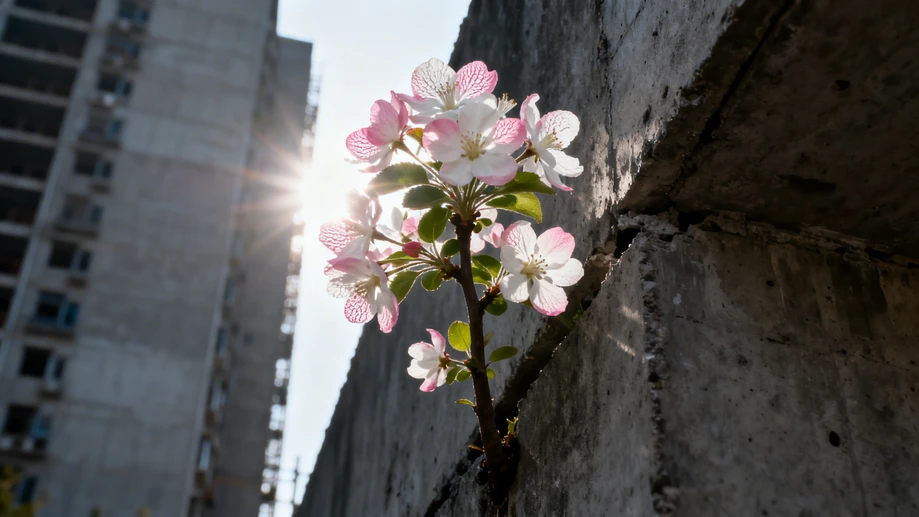
Have You Ever Wondered Why the Crabapple Blossom Is a Symbol of Resilience in Chinese Culture?
Exploring the deep cultural roots and the inspiring symbolism behind the crabapple blossom that has endured through centuries.
Imagine walking through an old Chinese garden in early spring, where delicate pink petals flutter like confetti against weathered stone walls. Among these blooms, the crabapple blossom stands out not just for its beauty, but for the powerful story it silently tells. This flower isn't merely decorative; it carries centuries of cultural weight, representing endurance and hope in ways that still resonate today.
For over a thousand years, Chinese poets and scholars have celebrated the crabapple's ability to bloom vibrantly despite harsh conditions. Unlike flowers that wilt at the first frost, crabapples often burst into color while lingering winter chills still bite the air. Their blossoms cling stubbornly to branches through spring rains and unexpected cold snaps, a daily display of tenacity visible in parks and temple courtyards across East Asia. This natural perseverance transformed them into living metaphors in classical literature.
During the Song Dynasty, the famous poet Su Shi immortalized the crabapple's spirit in verses written after his political exile. He compared himself to the blossom that thrives even when "neglected by spring"—a sentiment that comforted countless others facing adversity. Imperial gardens deliberately planted crabapples near study halls to inspire scholars preparing for grueling civil exams. The flower became botanical encouragement, whispering that hardship could coexist with grace.
Modern urban planners continue this tradition by planting crabapples along busy city sidewalks and highway medians. Why choose this particular tree? Because it withstands pollution, compacted soil, and temperature extremes that would kill more delicate species. Office workers rushing past these blossoms during stressful commutes unknowingly witness the same resilience that consoled ancient philosophers. The flowers bloom defiantly through exhaust fumes and concrete shadows, their pink petals dusted with urban grit yet still radiant.
This symbolism extends into contemporary celebrations too. During Lunar New Year, crabapple branches decorate homes not just for their beauty, but as wishes for perseverance in the coming year. Families facing challenges might place a vase near entryways as a quiet reminder: like the blossom, they too can flourish against odds. The flower's five petals even mirror the Chinese philosophy of Wu Xing—representing how interconnected elements create balance through continuous adaptation.
Next time you see a crabapple tree braving city smog or blooming after a late frost, pause for a moment. That splash of pink isn't just nature's decoration; it's a thousand-year-old lesson in resilience. These blossoms connect sidewalk pedestrians to exiled poets, proving that some symbols grow stronger through time—rooted in history, yet always relevant to the human spirit's unbreakable will.