
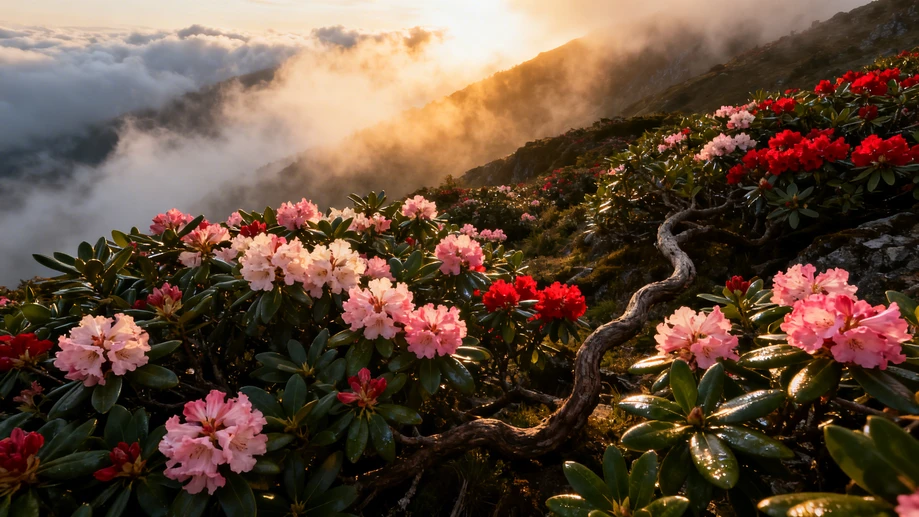
The Astonishing Resilience of Rhododendrons in Diverse Environments!
Discover how these stunning flowers thrive in everything from misty mountains to urban parks, defying expectations with their adaptability.
Imagine strolling through a lush garden on a spring morning, where vibrant rhododendrons burst into bloom with their iconic clusters of pink, purple, or white flowers. These plants aren't just pretty faces; they're masters of survival, capable of flourishing in a wide range of settings that might surprise even the most seasoned gardeners. Often, we picture them as delicate ornamentals confined to well-tended flowerbeds, but the reality is far more fascinating. Rhododendrons have an incredible knack for adapting to diverse habitats, making them a common sight in both wild landscapes and human-made spaces. This adaptability isn't just a happy accident—it's a result of millions of years of evolution, allowing them to colonize areas from high-altitude forests to city centers. As we delve into their world, you'll uncover how these resilient blooms can teach us about nature's ingenuity, turning everyday encounters into moments of wonder.
In their natural wild habitats, rhododendrons often call mountainous regions home, thriving in cool, moist environments like the misty slopes of the Himalayas or the dense forests of North America. Picture a hike through such a terrain: the air is crisp and humid, the soil beneath your feet is acidic and rich with organic matter, and rhododendrons dot the landscape with their evergreen leaves and showy blossoms. These conditions are crucial because rhododendrons have evolved to prefer acidic soils with a pH between 4.5 and 6.0, which allows them to absorb nutrients efficiently. Moreover, they're often found at elevations where temperatures stay moderate, avoiding extremes that could damage their shallow root systems. However, this doesn't mean they're confined to remote wilderness; many species have spread to lower altitudes, colonizing riverbanks and valleys where they form dense thickets. This versatility in the wild highlights their role as ecological pioneers, stabilizing soil and providing food for wildlife, all while adding splashes of color to otherwise rugged terrains.
Transitioning from wild to urban settings, rhododendrons demonstrate an impressive ability to adapt to human-altered environments, making them a beloved feature in parks, gardens, and even roadside plantings. Think of a city park on a sunny weekend: families picnic under the shade of rhododendron bushes, their flowers attracting bees and butterflies in a vibrant display of urban biodiversity. This shift isn't without challenges, though; urban soils are often less acidic and more compacted, and pollution can stress the plants. Yet, rhododendrons overcome these hurdles through their hardy nature—they tolerate partial shade and can even thrive in containers on balconies, provided they get enough moisture. Gardeners frequently amend soil with peat moss or pine needles to mimic their preferred acidic conditions, ensuring healthy growth. Furthermore, this adaptability has led to widespread cultivation, with hybrids bred for specific climates, allowing them to brighten spaces from temperate gardens to subtropical zones. As a result, these flowers bridge the gap between nature and daily life, offering a touch of wilderness in our concrete jungles.
Despite their resilience, rhododendrons face growing threats from environmental changes, particularly climate shifts that alter their ideal habitats. For instance, rising temperatures and erratic rainfall patterns in mountainous areas can dry out the moist soils they depend on, leading to stunted growth or increased susceptibility to diseases like root rot. In urban areas, heat islands and pollution exacerbate these issues, sometimes causing leaves to yellow or drop prematurely. However, this vulnerability underscores a broader lesson: rhododendrons serve as indicators of ecosystem health, with their struggles reflecting larger environmental imbalances. Conservation efforts, such as planting native species in protected areas or promoting sustainable gardening practices, help mitigate these risks. By observing how rhododendrons respond to such pressures, we gain insights into resilience strategies that could apply to other plants, turning their story into a call for mindful stewardship.
Ultimately, the remarkable adaptability of rhododendrons reminds us of nature's enduring power to thrive against the odds, enriching our lives in countless everyday moments. Whether encountered on a forest trail or in a neighborhood garden, these flowers symbolize persistence, teaching us that beauty and strength often go hand in hand. Their ability to flourish in diverse environments not only enhances our surroundings but also inspires a deeper appreciation for the interconnectedness of all living things. So next time you spot a rhododendron in bloom, take a moment to marvel at its journey—from wild peaks to your backyard, it's a testament to life's incredible capacity for adaptation and renewal.