
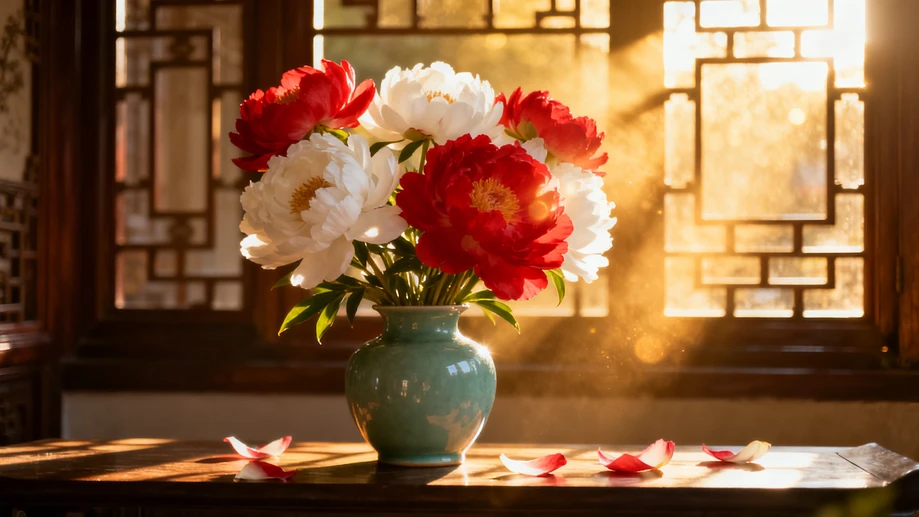
The Peony: China's Unofficial Floral Emblem of Prosperity and Honor
Discover why this lavish bloom has symbolized imperial splendor and cultural identity for over a thousand years in Chinese tradition
Imagine walking through a traditional Chinese garden during springtime, where clusters of peonies explode with blossoms so large and heavy they seem to defy gravity. These aren't just flowers; they're living sculptures with layers upon layers of silken petals ranging from purest white to deepest crimson, often measuring six inches across. The sheer opulence of their appearance made them instant candidates for imperial admiration when they first gained prominence during the Sui Dynasty around 600 AD.
Court painters immortalized peonies on scrolls while poets penned odes comparing their petals to "clouds at dawn" or "rouged cheeks of palace maidens." What truly cemented their status, however, was their scarcity during early cultivation periods. Only the wealthiest nobles could afford these temperamental plants that demanded meticulous care and refused to bloom if moved. This exclusivity transformed peonies into living trophies, tangible symbols of achievement displayed in scholar's courtyards and imperial compounds alike.
Beyond visual splendor, peonies became cultural shorthand for virtues central to Chinese philosophy. Their resilience through harsh winters mirrored Confucian ideals of endurance, while their explosive spring blooms symbolized renewal and hope. Most significantly, the flower's association with prosperity emerged from its medicinal uses in traditional remedies for blood disorders - practitioners believed its roots could "regulate the flow of wealth" in the body just as it regulated qi. This dual reputation as healer and wealth-bearer made peony motifs ubiquitous in New Year decorations and business openings.
Modern China still embraces this floral legacy in surprising ways. Brides incorporate peonies into wedding bouquets for blessings of marital fortune, while stock traders keep peony paintings in offices as prosperity charms. During the annual Luoyang Peony Festival, over 200,000 visitors celebrate new hybrid varieties, yet the most revered remain the ancient cultivars with poetic names like "Drunken Imperial Consort" - their pink petals supposedly resembling a tipsy concubine's blush. Even urban balconies host potted peonies, proving that imperial flowers have democratized without losing their symbolic power.
Perhaps the most telling contemporary tribute exists in Chinese diplomacy. When selecting botanical gifts for international events, officials frequently choose peonies over the more politically charged plum blossom or chrysanthemum. Their message transcends politics: a universal wish for shared prosperity and honor, packaged in petals that once graced only emperors' gardens. This unspoken floral language continues to bloom wherever Chinese culture takes root, carrying centuries of meaning in every ruffled blossom.