
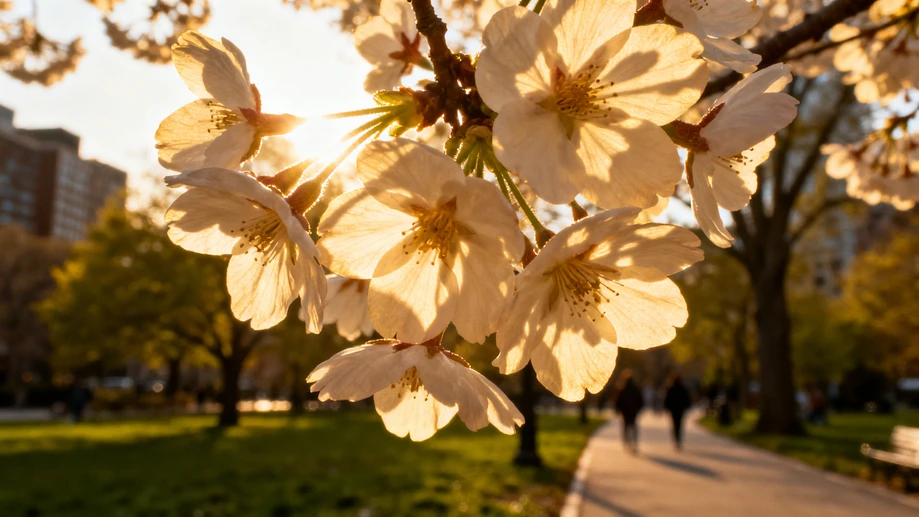
The Incredible Journey of Cherry Blossoms Finding Their Perfect Home!
Discover how these delicate flowers thrive only in specific environments and why their survival depends on nature's perfect balance.
Every spring, cherry blossoms burst into life, painting parks and streets with their soft pink hues, but few people realize that this stunning display hinges entirely on the right growing conditions. These flowers aren't just random beauties; they're picky residents of our world, demanding precise climates, soils, and care to flourish. In cities like Tokyo or Washington D.C., where cherry blossom festivals draw crowds, the trees' survival is a testament to human efforts in mimicking their natural habitats. However, this isn't just about pretty petals—it's a story of resilience and adaptation that unfolds right in our urban backyards, reminding us of nature's delicate dance in everyday life.
Cherry blossoms, primarily from the Prunus genus, crave temperate zones with distinct seasonal changes, where winters are cold enough to trigger dormancy and summers warm enough for growth. They thrive in well-drained, slightly acidic soils, often found in hilly regions or along riverbanks, where water flows freely without waterlogging roots. For instance, in Japan's mountainous areas, wild sakura trees have evolved over centuries to endure frosty nights and humid days, relying on deep root systems to anchor themselves. Moreover, these conditions ensure that the trees bloom predictably each year, turning ordinary landscapes into breathtaking spectacles that signal the arrival of spring. This adaptability makes them ideal for city plantings, where gardeners replicate these elements in parks to create iconic scenes.
In urban settings, cherry blossoms face unique challenges, yet they've become symbols of hope and renewal precisely because they adapt so well. Cities often provide artificial microclimates—think of tree-lined avenues or botanical gardens—where soil is amended with compost for better drainage, and irrigation systems mimic natural rainfall. For example, during dry spells, caretakers in public spaces water the trees deeply to prevent stress, ensuring the blossoms don't wither prematurely. However, this human intervention isn't foolproof; pollution and compacted soil can stunt growth, leading to shorter bloom periods. Despite these hurdles, the trees persist, their roots weaving through concrete to find pockets of earth, a silent testament to nature's tenacity in our fast-paced world.
Climate change now poses the biggest threat to cherry blossoms' habitats, altering the very environments they depend on. Warmer winters disrupt dormancy cycles, causing erratic blooming or even tree death, as seen in recent years where blossoms appear weeks earlier than historical averages. In places like Kyoto, scientists document shifts that could make traditional viewing seasons a thing of the past, forcing communities to adapt. Yet, this adversity sparks innovation; gardeners experiment with hardier varieties or shaded plantings to buffer against heat. This evolution isn't just about survival—it's a call to action, urging us to protect green spaces and reduce carbon footprints to preserve these floral wonders for future generations.
Ultimately, cherry blossoms teach us that beauty in nature is fragile and requires stewardship. By understanding their environmental needs, we can foster healthier trees in our gardens and public areas, ensuring that each spring's bloom remains a joyful reality. So next time you stroll under a canopy of pink, remember: it's not magic, but the perfect harmony of soil, sun, and care that brings these ephemeral treasures to life.