
Did You Know Cranberries Don't Actually Grow in Water?
Uncovering the surprising truth behind those iconic flooded cranberry bogs you always see in pictures.
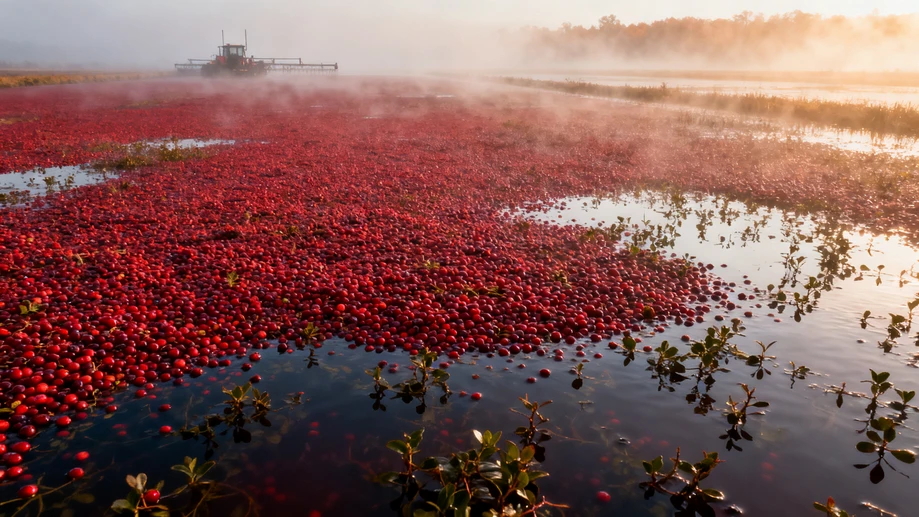
Picture this: a vast expanse of water shimmering under the autumn sun, dotted with brilliant, ruby-red jewels floating on the surface. It's the classic image of cranberry harvest season, splashed across magazines, social media feeds, and juice commercials. This dramatic scene has cemented in our minds the idea that cranberries are aquatic plants, thriving happily submerged in water like water lilies or lotus flowers. It's a beautiful misconception, deeply ingrained thanks to the sheer visual power of the harvest.
But here's the twist, the reality is far more fascinating and less soggy than the harvest photos suggest. Cranberries, those tart little powerhouses packed with vitamin C and antioxidants, are actually low-growing, woody, perennial vines. They belong to the heath family, sharing kinship with blueberries and rhododendrons. In their natural state, you won't find them happily swimming; instead, they creep along the ground, sending out runners that root into the soil, forming dense, evergreen mats. Their preferred home? Not deep lakes, but unique, acidic wetlands called bogs or, more specifically for cultivation, beds.
The truth about their habitat is key. Wild cranberries flourish in natural bogs characterized by layers of peat, sand, gravel, and clay. These environments provide the perfect cocktail: highly acidic, nutrient-poor soil (often with a pH between 4.0 and 5.5), abundant fresh water just below the surface, and excellent drainage. The vines thrive in full sun but appreciate the cool, moist conditions provided by the bog's unique hydrology. They send down shallow roots, perfectly adapted to access the water table without needing to be submerged. Think of them more like tough, ground-hugging shrubs that love having perpetually damp feet, not a snorkel.
So, why the dramatic flooding if they don't grow in water? That iconic image is all about the harvest, not the growing season. Cranberry farmers utilize a brilliant, efficient harvesting technique perfected over generations. When the berries ripen to their signature deep red in the fall, the fields are deliberately flooded with about 6 to 8 inches of water. Then, specialized machines called water reels, or sometimes just gently shaking the vines, agitate the bog. Here's the magic: each cranberry has a tiny pocket of air inside it. This buoyancy chamber acts like nature's clever flotation device. Once dislodged from their vines, the ripe berries float effortlessly to the surface of the floodwater, creating that breathtaking sea of red.
This ingenious method allows farmers to easily corral and collect vast quantities of berries efficiently. The floating fruit is then gently herded towards a suction point or conveyor belt for loading. It's a practical solution born from understanding the berry's unique physical property, transforming the harvest into a visually stunning event. Next time you see that mesmerizing flooded field, remember – it's a carefully staged aquatic performance for an efficient harvest finale, not the cranberry vine's natural swimming pool. The vine itself spent the entire spring and summer growing quite contentedly on dry(ish) land, its roots tapping into the cool, acidic water hidden safely below the surface, patiently waiting for its buoyant berries to make their grand, floating debut.