
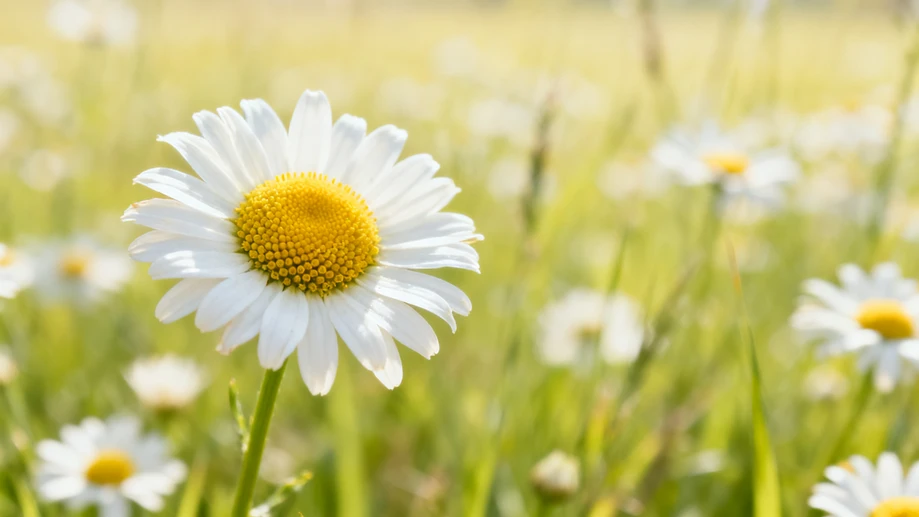
Have You Ever Noticed That A Single Common Chamomile Bloom Hides Over One Hundred Tiny Independent Little Flowers Within It
Explore the underobserved micro-structure of the widely loved daisy-like herb, how each tiny floret contributes to its iconic scent, gentle flavor and resilient growth habit
To the casual glance, chamomile blooms look almost identical to miniature daisies, with a neat ring of soft white ray-shaped petals circling a puffy, bright yellow central disc that looks like a tiny, raised sun. Most people who pick wild chamomile from field edges, tend potted seedlings on their balcony, or drop dried blooms into a mug of hot water for a bedtime tea never stop to question this basic visual impression, and take the whole white-and-yellow structure as one complete, single flower. This easy assumption lines up with how most common ornamental blooms are structured, from roses to tulips to sunflowers, so there is little reason for the average person to second-guess what they are seeing at first glance. The soft, light scent that drifts off a whole fresh chamomile bloom also feels consistent with what you would expect from a single small flower, mild enough to not overwhelm surrounding greenery.
Take a closer look, ideally with a simple magnifying glass or a close-up macro shot of a fully opened chamomile bloom, and that initial impression falls apart completely. Each of the soft white “petals” framing the yellow centre is not a mere plant accessory meant to attract pollinators, but a fully formed individual flower called a ray floret. Every single one of these ray florets has its own tiny, fully functional pistil, its own minuscule seed production structure, and its own individual oil glands that hold traces of the herb’s signature calming essential oil. The bright yellow central disc that most people mistake for a solid, pollen-filled core is not a single structure either: it is packed tight with up to 200 separate, tube-shaped tiny flowers called disc florets, each one no wider than the tip of a standard sewing pin. A fully mature, healthy chamomile bloom that measures no more than three centimeters across can hold between 120 and 220 of these fully independent tiny flowers, packed so closely together that their edges press gently against one another to form the rounded, puffy yellow disc most people recognize on sight.
This unusual stacked structure brings a long list of small, practical advantages that help chamomile thrive across wildly different growing regions, far beyond what many similarly sized flowering herbs can manage. Unlike single flowers that only have one point of entry for pollinators to deliver pollen, the entire exposed surface of the chamomile bloom is dotted with tiny, accessible reproductive parts. Even a tiny, slow-moving ant that crawls across the full face of the disc can leave enough pollen behind to fertilize 30 or more individual florets in a single pass, rather than just fertilizing one single bloom. If a small herbivore nibbles off a section of the white ray florets, or a heavy hail storm tears a chunk out of the edge of the yellow disc, the remaining intact florets on the rest of the bloom can still go on to mature and produce viable seeds. In particularly harsh wind or sudden light frost events, the outermost florets that get damaged first do not take the entire reproductive capability of the plant with them, letting it continue its life cycle without issue.
This unique floret structure is also the exact reason behind a whole range of small, consistent quirks people have noticed about chamomile for hundreds of years. The moment you gently squeeze or crush a fresh chamomile bloom between your fingertips, the scent that bursts out is at least four times stronger than what you can smell from an undamaged, fully intact flower. That sudden rush of aroma does not come from breaking one or two large oil glands, it comes from popping hundreds of tiny individual oil pockets across dozens of separate florets all at the same time, releasing all their stored essential oil into the surrounding air at once. This is why dried chamomile used in sachets or herb pillow fillings releases a far longer lasting scent if you gently crumble the full blooms before tucking them into fabric, rather than arranging whole intact dried flowers inside the pouch. The small amount of crumbling breaks open dozens of extra florets that would otherwise stay sealed, letting their scent drift out into the surrounding space for months longer than it would from untouched whole dried heads.
Even the famous soft, sweet apple-like undertone that defines good brewed chamomile tea traces back directly to this unusual arrangement of separate tiny florets. The thin, delicate wall of each individual disc floret breaks down very quickly the moment it touches hot water, releasing its light, earthy sweet oils and gentle plant compounds into the mug within 60 seconds of steeping. Many people who overbrew chamomile for 10 minutes or more notice a faint bitter edge that does not appear in shorter steep times, and that trace of bitterness does not come from the whole flower core, it comes from the very base of each tiny disc floret, which only releases subtle bitter compounds after several minutes of contact with near-boiling water. Every small quirk people have associated with chamomile across generations traces back to that hidden, undernoticed structure of over a hundred tiny independent flowers packed into a single little head that most people mistake for one simple bloom.