
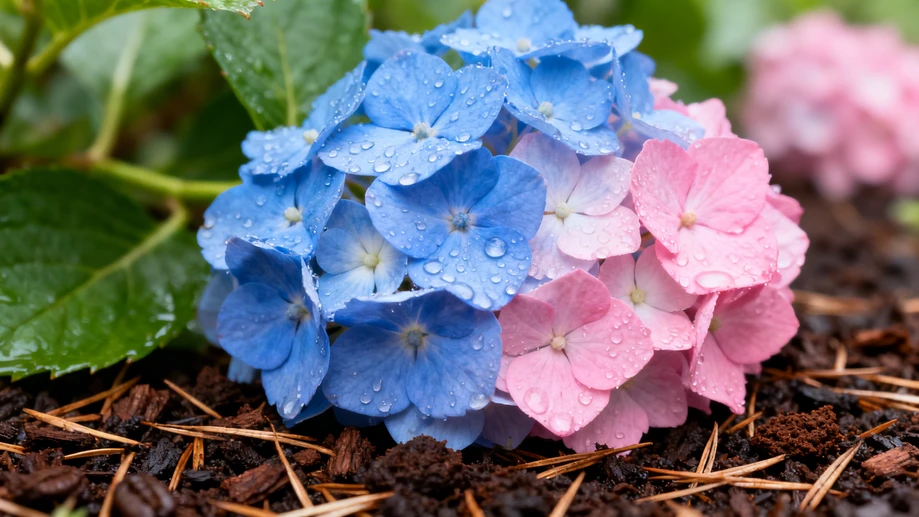
Did You Know Hydrangeas Secretly Change Colors Based on Your Soil?
Unlock the fascinating science behind these chameleon flowers blooming in gardens worldwide
Picture a summer garden where globes of hydrangea blossoms shift from bubblegum pink to ocean blue like living mood rings. This magical transformation isn't horticultural wizardry but clever chemistry playing out in flower beds across temperate regions. The secret lies beneath the petals where aluminum ions interact with soil pH levels to create nature's most dramatic floral color show.
Acidic soils below pH 6.0 unlock aluminum that bonds with anthocyanin pigments creating vivid sapphire blooms that resemble clusters of blue butterflies. Sprinkle some coffee grounds or pine needles around the roots and watch the magic intensify over weeks. But if your garden soil leans alkaline above pH 7.0, those same flowers blush cotton-candy pink as aluminum becomes chemically locked away. Gardeners from Tokyo to Tennessee exploit this quirk by adding lime for rosy displays or sulfur for cerulean explosions.
Interestingly, white hydrangea varieties remain stubbornly immune to these chromatic changes. Their pristine blooms contain different pigments that refuse to engage with aluminum regardless of soil chemistry. This explains why snowy 'Annabelle' hydrangeas maintain their bridal glow even when planted beside color-shifting cousins. The floral steadfastness creates stunning monochromatic borders when paired with their mercurial relatives.
Beyond their visual drama, hydrangeas serve practical purposes in traditional medicine. For centuries, practitioners dried the roots to create diuretic teas believed to soothe kidney ailments. Modern research confirms compounds like hydranginol possess anti-inflammatory properties, though scientists caution against self-medicating with garden clippings. Always consult professionals before exploring botanical remedies.
This color-changing superpower makes hydrangeas living soil test kits for observant gardeners. Notice blue blooms fading to lavender? Your soil's acidity is dropping. Pink flowers developing purple streaks? Aluminum is partially accessing the pigments. The blossoms become botanical dashboards indicating underground conditions through their petals. Next time you admire these floral chameleons, remember you're witnessing real-time chemistry painted on nature's canvas.