
Your Next Headache Remedy Might Be Growing by the River
How willow trees secretly provided the blueprint for modern pain relief centuries before pharmacies existed
The humble willow tree, with its graceful drooping branches and affinity for riverbanks, holds more than scenic beauty in its bark. For thousands of years across multiple continents, people unknowingly walked past nature's original painkillery factory. Ancient Egyptians recorded willow remedies for inflammation as early as 1500 BC, while Greek physicians like Hippocrates prescribed willow bark tea to ease fevers and childbirth pains. What they couldn't have known was why their bitter brews worked – the tree's inner layer contained a chemical miracle.
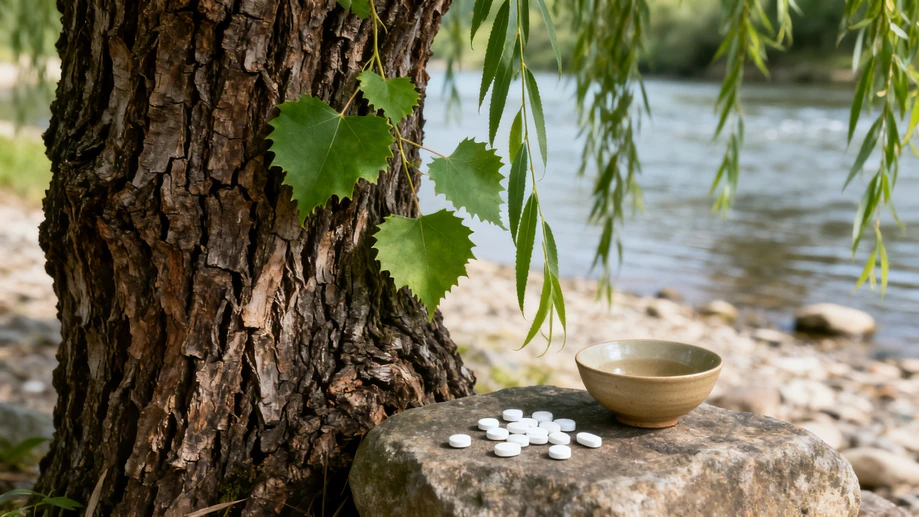
Hidden within the willow's rough exterior lies salicin, a bitter-tasting compound that our bodies convert into salicylic acid. This natural substance functions similarly to modern aspirin by blocking pain-signaling prostaglandins. Traditional healers would strip the grayish bark, dry it, then boil it into medicinal teas to relieve headaches, muscle aches, and arthritis discomfort. European settlers even observed Native Americans chewing willow twigs directly for toothaches. The effectiveness was undeniable, though the dosage remained unpredictable – too little brought no relief, while too much caused stomach irritation.
Everything changed in 1897 when a German chemist transformed this botanical knowledge into pharmaceutical history. By modifying salicin into acetylsalicyclic acid, he created a stable, concentrated form that became the aspirin we recognize today. This breakthrough didn't just replicate nature – it enhanced it. The synthetic version acted faster, caused fewer digestive issues, and could be precisely dosed. Within decades, willow's gift grew from riverside folk remedy to global wonder drug found in nearly every medicine cabinet worldwide.
Modern science now recognizes willow-derived aspirin as one of history's most influential medicines, preventing heart attacks, reducing stroke risks, and still easing headaches. Yet the original source remains quietly growing along waterways, its branches swaying like nature's pharmacy sign. Next time you pass a willow, consider the extraordinary journey from its bark to your pill bottle – proof that sometimes the most advanced solutions grow from ancient roots. This unassuming tree continues to stand as both symbol and substance, reminding us that nature often holds blueprints science later rediscovers.