
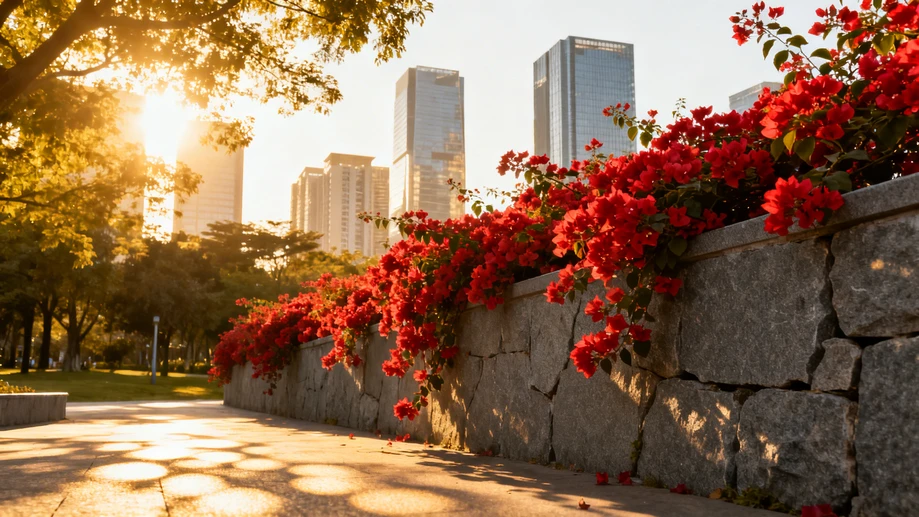
Bougainvillea Defies All Odds to Bloom in the Harshest Urban Jungles!
Discover how this resilient plant transforms concrete landscapes into vibrant oases with its incredible adaptability to tough environments.
Picture this: you're strolling through a bustling city street on a scorching summer day, and amidst the gray concrete and smog, a burst of vivid pink or purple catches your eye. That's the bougainvillea, a plant that seems to thrive where others wilt. Native to South America, this hardy climber has spread across the globe, becoming a common sight in tropical and subtropical regions. Its papery bracts—often mistaken for flowers—come in shades of magenta, red, or white, creating a stunning contrast against urban backdrops. What makes it so special? It's not just about beauty; bougainvillea has an uncanny knack for surviving in places that would challenge most plants. From crowded balconies in New York to dusty roadside gardens in Mumbai, it pops up unexpectedly, reminding us that nature finds a way even in the most unlikely spots.
Now, let's dive into the specifics of its growth environment. Bougainvillea flourishes in warm, sunny climates, ideally with temperatures above 50°F (10°C) and full sunlight for at least six hours a day. It originated in the dry, rocky soils of Brazil, which means it's built for drought-like conditions. In fact, overwatering can harm it more than neglect—this plant stores water efficiently in its woody stems and deep roots. You'll often find it clinging to walls or trellises in coastal areas, where salty air and sandy soil mimic its natural habitat. But here's the twist: bougainvillea isn't picky. It adapts to poor soil quality, including compacted urban dirt laden with pollutants. For instance, in cities like Los Angeles, it grows alongside highways, filtering air toxins while requiring minimal nutrients. This adaptability stems from its evolutionary history; over centuries, it developed thick leaves that reduce water loss and a root system that anchors firmly in shallow ground.
Transitioning to urban settings, bougainvillea's resilience shines even brighter. In crowded metropolises, where green spaces are scarce, this plant becomes a low-maintenance hero for gardeners. Imagine a small apartment balcony: with just a pot and some basic care, bougainvillea can cascade over railings, providing shade and color without demanding constant attention. Unlike delicate flowers that wilt in heat or pollution, it endures car exhaust and high temperatures, blooming profusely through summer. This isn't just luck—it's science. Bougainvillea's bracts act as natural sunscreens, protecting the tiny true flowers inside from UV damage. Plus, its ability to grow in containers makes it ideal for city dwellers; a single plant can cover a fence or wall, reducing noise and improving air quality. For example, in Singapore's urban gardens, bougainvillea is a staple, thriving in humid, polluted air and bringing life to high-rise terraces.
Building on this, the practical benefits of bougainvillea extend to everyday gardening. It's a cost-effective choice for homeowners, as it rarely needs fertilizers or pesticides—just occasional pruning to shape its growth. In drought-prone regions like Southern California, it conserves water, making it an eco-friendly alternative to thirsty lawns. But the real magic lies in its year-round display. Even in cooler months, when other plants go dormant, bougainvillea's bracts retain their hue, offering continuous visual appeal. This reliability has made it a symbol of endurance in many cultures, often representing perseverance in adversity. For instance, community gardens in low-income neighborhoods use it to brighten spaces, fostering a sense of hope. By choosing bougainvillea, you're not just adding color; you're investing in a plant that thrives with little input, turning neglected corners into vibrant sanctuaries.
In conclusion, bougainvillea's story is one of triumph over adversity, proving that beauty can emerge from the toughest conditions. Its growth in harsh environments—from arid deserts to polluted cities—highlights nature's ingenuity and offers a lesson in sustainability. Next time you spot one in an urban jungle, take a moment to appreciate its quiet strength. Plant it in your own space, and watch it transform challenges into opportunities for renewal.