
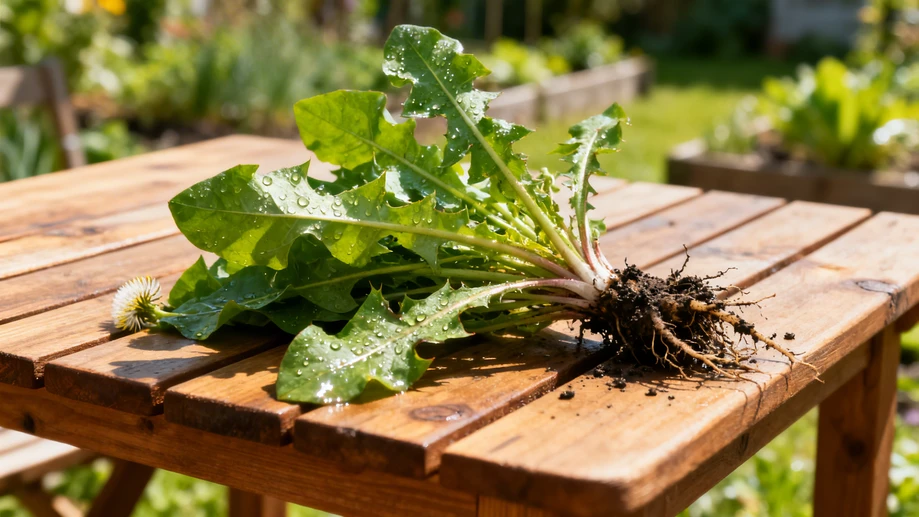
Unlock the Surprising Health Secrets of Dandelions Growing in Your Yard!
Discover how this common garden weed can transform your wellness routine with its natural healing properties and everyday uses.
You might see dandelions as pesky invaders in your lawn, popping up with their bright yellow flowers and fluffy seed heads every spring, but these resilient plants are far more than just weeds. In fact, they've been cherished in traditional medicine for centuries, offering a treasure trove of health benefits that many modern gardeners overlook. Picture this: on a sunny afternoon, you're tending to your backyard, and instead of pulling out those dandelions, you could be harvesting them for a homemade tea that boosts your immune system. This shift in perspective isn't just about saving time on weeding—it's about embracing a natural resource that's free, abundant, and surprisingly powerful. Yet, most people dismiss them without realizing how dandelions can play a starring role in everyday health routines, turning a mundane chore into a wellness adventure.
Diving into the practical uses, dandelions are packed with vitamins and minerals that make them ideal for natural remedies, especially in teas and tinctures that you can easily prepare at home. For instance, the roots are rich in inulin, a prebiotic fiber that supports gut health by feeding beneficial bacteria—imagine steeping dried dandelion root in hot water to create a soothing drink that aids digestion after a heavy meal. Similarly, the leaves are loaded with antioxidants like vitamin C and potassium, which can be brewed into a refreshing infusion to help detoxify the body and reduce inflammation. This isn't just folklore; studies have shown that dandelion extracts can improve liver function and even lower blood sugar levels, making it a go-to for those seeking holistic alternatives to over-the-counter supplements. What makes this so accessible is that you don't need a fancy setup—just pluck fresh leaves from your garden, dry them in the sun, and store them in a jar for daily use, transforming your kitchen into a mini apothecary.
Beyond their medicinal value, dandelions shine as versatile ingredients in everyday cooking, adding a nutritious punch to meals without any special equipment. For example, the young, tender leaves are perfect for salads, offering a slightly bitter, peppery flavor that pairs well with olive oil and lemon—think of tossing them into a spring mix for a vitamin-rich lunch that rivals store-bought greens. Even the flowers can be used to make dandelion wine or jelly, while the roasted roots serve as a caffeine-free coffee substitute that's both earthy and invigorating. This culinary versatility extends to urban settings where space is limited; apartment dwellers can forage dandelions from community parks or even grow them in pots on a balcony, turning neglected patches into edible gardens. The beauty here is that it's not just about health—it's about sustainability, reducing food waste by utilizing what's already growing wild around us, and fostering a deeper connection to nature through simple, hands-on activities like harvesting and preparing your own ingredients.
Transitioning to the garden, dandelions play a crucial role in environmental health, acting as natural soil enhancers and pest controllers that benefit your entire yard ecosystem. Their deep taproots break up compacted earth, allowing water and nutrients to penetrate deeper, which improves soil structure and prevents erosion—this is particularly valuable in home gardens where heavy foot traffic can damage the ground. Additionally, dandelions attract pollinators like bees and butterflies with their bright blooms, supporting biodiversity and helping other plants thrive. If you're dealing with pests, their presence can deter harmful insects, reducing the need for chemical pesticides. This dual function makes them unsung heroes in sustainable gardening; instead of viewing them as nuisances, you can strategically leave a few dandelions in corners to act as natural allies, creating a healthier, more resilient garden with minimal effort. The key is balance: by integrating dandelions thoughtfully, you transform your outdoor space into a self-sustaining haven that requires less maintenance and more enjoyment.
In wrapping up, it's clear that dandelions are not just resilient survivors but invaluable allies in our daily lives, offering a blend of health, culinary, and environmental perks that are easy to tap into. By rethinking how we interact with these plants, we can turn routine moments—like a walk in the park or a gardening session—into opportunities for self-care and sustainability. Start small: next time you spot a dandelion, consider brewing a cup of tea or adding its leaves to a salad instead of reaching for the weed killer. This simple shift not only enriches your well-being but also fosters a greater appreciation for nature's hidden gifts, proving that sometimes, the most ordinary things hold extraordinary potential.