
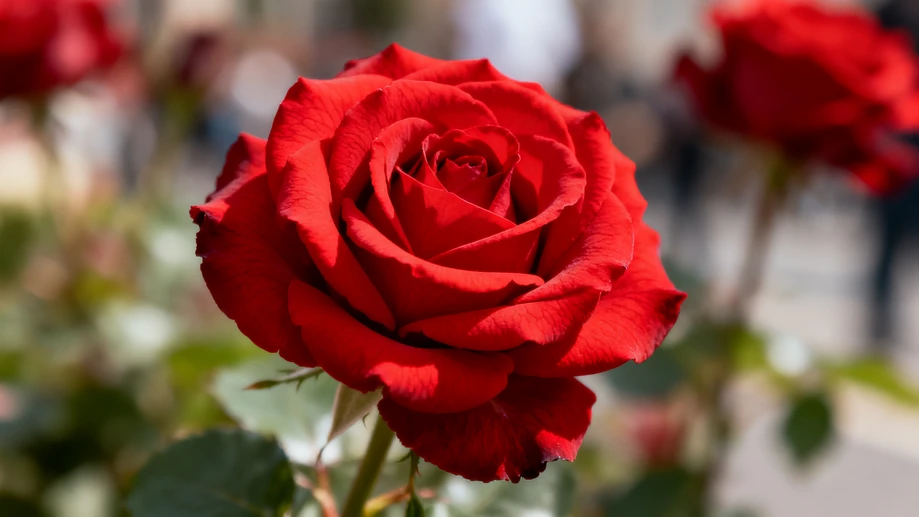
Why Do Roses Always Symbolize Eternal Love? The Secret History Behind the World's Favorite Flower
Unraveling the fascinating journey of how roses became the universal emblem of romance, from ancient myths to modern-day gestures that touch hearts everywhere.
Picture this: you're walking through a bustling city street on Valentine's Day, and everywhere you look, vibrant red roses fill shop windows, clutched in hands, or adorning tables in cozy cafes. It's a scene so familiar that it feels like a timeless tradition, yet have you ever paused to wonder why this particular flower has become the undisputed symbol of love across cultures? Roses aren't just pretty blooms; they're woven into the fabric of our most intimate moments, from wedding bouquets to anniversary surprises, evoking emotions that words often fail to capture. This universal appeal isn't accidental—it's rooted in centuries of human history, where the rose's delicate petals and intoxicating fragrance have consistently represented passion, devotion, and undying affection. In everyday life, whether it's a simple bouquet gifted on a first date or an elaborate arrangement at a milestone celebration, roses transform ordinary interactions into heartfelt expressions, making them a staple in our shared emotional language.
To understand how roses earned this iconic status, we need to journey back to ancient civilizations, where their symbolism first took root. In Greek mythology, the rose was closely tied to Aphrodite, the goddess of love, who was said to have created the flower from her tears mixed with the blood of her lover, Adonis. This poignant origin story imbued roses with an aura of eternal romance and sacrifice, a narrative that spread through Roman culture where Venus, the Roman equivalent, often appeared surrounded by roses in art and literature. Fast forward to medieval Europe, and roses became central to courtly love traditions; knights would present them to their beloveds as tokens of chivalry, while poets like Shakespeare immortalized them in sonnets as metaphors for beauty and desire. Over time, this cultural heritage solidified, with the rose evolving from a mere botanical wonder into a powerful emblem that transcended borders. Today, this historical tapestry explains why a single red rose can convey more than a thousand words, effortlessly bridging gaps between generations and geographies in our globalized world.
Moving from history to the present, roses play a starring role in countless real-life scenarios, where their symbolism enhances everyday rituals and celebrations. Consider a typical wedding: the bride's bouquet often features roses not just for their aesthetic appeal but as a silent promise of enduring love, echoing vows exchanged before friends and family. Similarly, on anniversaries or birthdays, gifting roses serves as a tangible reminder of shared memories, with the act of selecting the perfect bloom becoming a thoughtful gesture in itself. Even in moments of reconciliation, a bouquet of roses can mend fences, its presence softening tensions and rekindling affection. This practical application extends beyond personal relationships; in public spaces like hospitals or memorials, roses offer comfort, symbolizing hope and remembrance without uttering a word. Yet, despite their ubiquity, the magic lies in the details—the velvety texture of the petals, the subtle variations in hue from crimson to blush, and the way they unfurl slowly, mirroring the gradual deepening of human bonds. It's this blend of sensory delight and emotional resonance that makes roses a go-to choice for expressing the inexpressible.
While red roses dominate the love narrative, it's worth noting that other colors carry distinct meanings, adding layers to their symbolic richness without diluting the core message of romance. For instance, yellow roses often signify friendship and joy, making them popular for platonic gestures, while white roses represent purity and new beginnings, frequently seen in weddings or as sympathy flowers. Pink roses convey admiration and gratitude, perfect for mother-daughter bonds or heartfelt thank-yous. This diversity highlights how adaptable roses are, allowing people to tailor their messages based on context and relationship dynamics. However, the red rose remains unparalleled in its association with passionate love, a testament to its enduring power. In fact, this versatility only strengthens the flower's appeal; it can seamlessly shift from a celebratory centerpiece at a romantic dinner to a solitary bloom left on a doorstep, each context reinforcing its role as a universal language of the heart. This adaptability ensures that roses stay relevant, evolving with modern trends while preserving their timeless essence.
Ultimately, the rose's status as the quintessential symbol of love endures because it taps into something profoundly human—our innate desire to connect and express deep emotions in tangible ways. In a fast-paced digital age, where texts and emojis often replace personal interactions, the simple act of giving or receiving a rose creates a moment of pause, a physical reminder of affection that transcends screens. This enduring relevance is why roses continue to thrive in gardens, florists, and homes worldwide, their blooms serving as silent witnesses to life's most cherished milestones. So next time you encounter a rose, whether in a bouquet or growing wild, take a second to appreciate not just its beauty but the rich history it carries—a story of love that has blossomed across centuries, uniting us all in a shared language of the heart.