
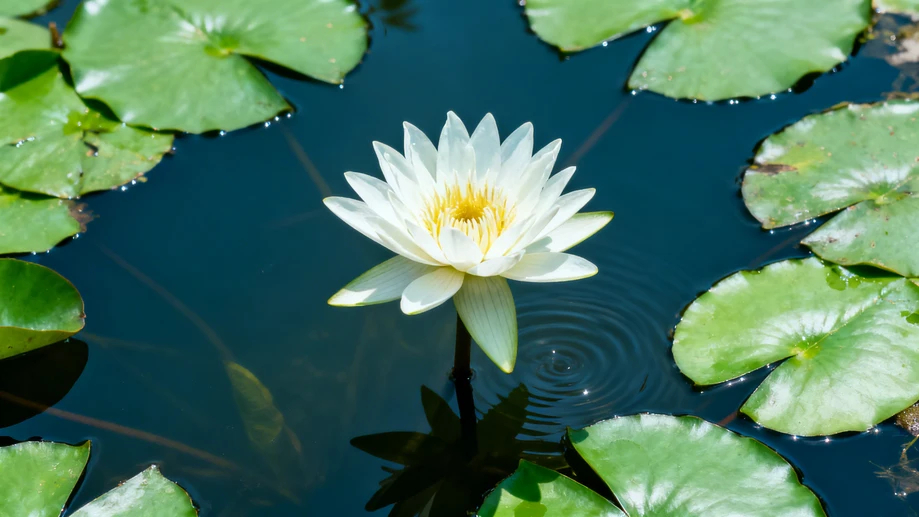
The Lotus Flower Radiates as a Profound Symbol of Spiritual Enlightenment Across Cultures!
Delve into how this aquatic bloom embodies purity and resilience, inspiring millions from ancient temples to modern mindfulness practices worldwide.
Imagine strolling through a serene garden pond, where the lotus flower rises majestically from murky waters, its petals unfurling in the morning sun. This isn't just a pretty sight—it's a living metaphor that has captivated human hearts for centuries. Across diverse cultures, the lotus stands as a beacon of spiritual awakening, symbolizing the journey from darkness to light. In everyday life, we encounter this symbolism in unexpected ways: a yoga studio adorned with lotus motifs reminds practitioners to stay grounded yet uplifted, while a simple pond in a city park offers a moment of reflection, echoing the flower's message of inner peace. Its universal appeal lies in how it transforms ordinary settings into sanctuaries of meaning, making the abstract tangible through nature's elegance.
Moreover, the lotus holds deep roots in Buddhist traditions, where it represents purity emerging from impurity, much like enlightenment arising from life's challenges. Picture a monk meditating beside a lotus-filled pond; the flower's ability to bloom untainted from muddy waters mirrors the human spirit's capacity to transcend suffering. This isn't confined to ancient texts—today, mindfulness apps feature lotus imagery to guide users through stress relief exercises, reinforcing how the symbol bridges past wisdom with present-day wellness. For instance, in urban centers, people often incorporate lotus-themed art into their homes, using it as a visual anchor for meditation, proving that this age-old emblem remains vibrantly relevant in our fast-paced world.
However, the lotus's symbolism extends far beyond Buddhism, weaving into other cultural tapestries with rich narratives. In Hinduism, it is associated with divine beauty and creation, often depicted in temple carvings where gods like Vishnu rest on lotus thrones. This imagery isn't just artistic; it influences real-world practices, such as community gardens in India where lotuses are cultivated not only for their aesthetic value but as symbols of communal harmony. Even in Western contexts, the flower appears in literature and therapy sessions, symbolizing personal growth after adversity. A key detail: the lotus closes at night and reopens at dawn, a natural rhythm that teaches resilience—a lesson many apply to overcoming daily setbacks, like rebounding from a tough workday with renewed calm.
Transitioning to modern applications, the lotus's spiritual essence permeates everyday rituals and creative expressions, making it a practical tool for emotional well-being. Consider how art therapists use lotus drawings to help clients visualize healing, or how eco-friendly products feature the bloom in designs to promote sustainability, reflecting its purity. In urban parks, families often pause by lotus ponds, sharing stories of perseverance inspired by the flower's journey. This tangible connection highlights how a simple plant can foster mindfulness in routine activities, turning a walk in nature into a moment of introspection. As environmental awareness grows, the lotus also symbolizes ecological balance, reminding us that beauty can flourish in challenging conditions, much like our own lives.
Ultimately, the lotus flower's enduring symbolism offers a powerful lens for navigating contemporary life, encouraging us to find light amid chaos. Its presence in global traditions—from Asian festivals celebrating rebirth to Western wellness trends—demonstrates a shared human yearning for meaning. By integrating this ancient wisdom into daily habits, such as placing a lotus photo on a desk for motivation, we harness its resilience to face modern stresses. In a world brimming with noise, the lotus whispers a timeless truth: purity and strength can bloom anywhere, transforming ordinary moments into extraordinary insights.