
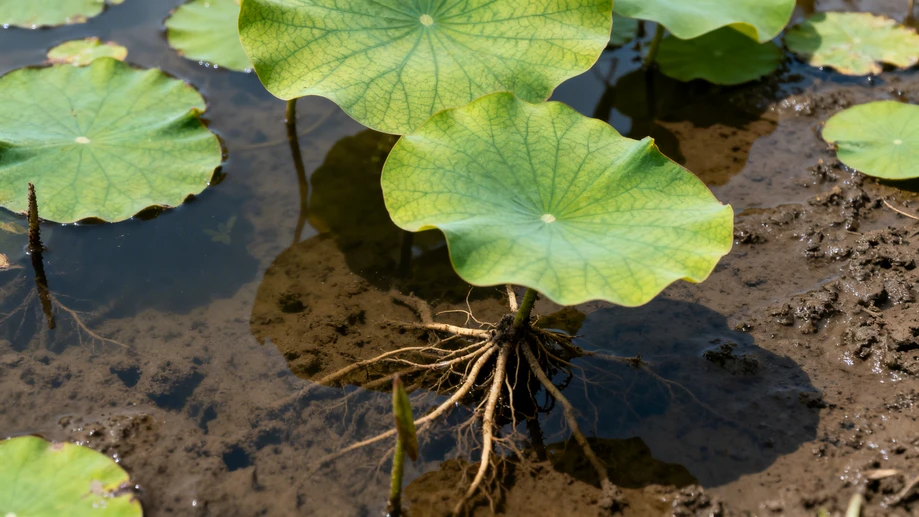
The Lotus Plant's Miraculous Adaptation to Muddy Waters!
Discover how this iconic flower thrives in aquatic environments and supports ecosystems with its unique survival strategies.
Imagine strolling through a sunlit park pond, where clusters of lotus flowers emerge from murky waters, their vibrant pink petals contrasting sharply with the dark silt below. This isn't just a picturesque scene from a nature documentary—it's a common sight in urban parks and rural wetlands across Asia and beyond, where lotuses flourish in seemingly inhospitable conditions. For many city dwellers, visiting a local botanical garden on a weekend outing reveals the plant's resilience, as it transforms muddy beds into lush, green sanctuaries that attract butterflies and birds. The lotus becomes a familiar friend, its presence offering a moment of tranquility amid busy lives, while subtly hinting at the incredible adaptability required to grow where other plants might perish.
What makes the lotus so extraordinary is its specialized growth environment; it thrives exclusively in aquatic settings, rooted in the soft, nutrient-rich mud of ponds, lakes, and slow-moving rivers. Unlike most plants that struggle in waterlogged soils, the lotus requires depths of up to 1.5 meters, where its long stem allows leaves and flowers to float effortlessly on the surface. This habitat isn't random—it's a carefully balanced ecosystem where the plant accesses vital nutrients from decaying organic matter in the mud, while the water shields it from harsh weather and predators. In everyday reality, gardeners and farmers often cultivate lotuses in man-made ponds, ensuring the water quality remains stable; this mimics natural wetlands, where seasonal floods can deepen the water, yet the lotus adapts seamlessly, its roots anchoring firmly as silt shifts around it. Such conditions are crucial, as too much silt or pollution can stunt growth, yet the plant's hardy nature allows it to rebound, making it a symbol of regeneration in polluted urban waters.
Despite these challenges, the lotus has evolved ingenious mechanisms to survive and even thrive, turning potential weaknesses into strengths. For instance, its broad, waxy leaves repel water and resist rot, a feature easily observed after rain when droplets bead up and roll off like mercury. More astonishingly, the root system, known as rhizomes, breathes through specialized air channels that prevent suffocation in oxygen-deprived mud. This adaptation plays out in real-world scenarios, such as when heavy rains flood farmlands; the lotus endures where rice crops might fail, providing a sustainable food source for communities. Moreover, this ability enhances water purification by filtering pollutants, as seen in eco-projects where lotuses are planted in contaminated ponds to naturally cleanse the water over time.
Ultimately, the lotus's environmental mastery extends beyond mere survival to profound ecological benefits, shaping its cultural reverence as a beacon of purity. In everyday life, this translates to practical uses, such as lotus roots harvested for nutritious meals or the plant's role in preventing soil erosion along riverbanks. As urban development encroaches on natural habitats, the lotus serves as a reminder of nature's balance—grown in backyard ponds or restored wetlands, it offers beauty and utility, reinforcing our connection to resilient ecosystems. Witnessing a lotus bloom in muddy waters isn't just a visual delight; it's a lesson in perseverance, encouraging us to protect these watery worlds for future generations.