
Do You Know What Lilies Secretly Whisper Across Cultures?
Unlocking the Mysterious Language Hidden Within the Elegant Petals of Your Favorite Flowers
Think lilies are just pretty faces adorning gardens and bouquets? Look closer. Those elegant curves and intoxicating scent carry whispers of ancient secrets, a coded language understood across oceans and centuries. Whether bursting with vibrant orange beside a sun-drenched porch or standing pure white in a somber church aisle, they speak volumes before a single word is uttered. Their message isn't random noise; it's a deliberate vocabulary shaped by history, myth, and human longing. From the banks of the Nile to secluded mountain temples, the lily's symbolism has taken root in the collective human soul, evolving yet retaining its core essence.
In the bustling flower markets of Amsterdam, careful shoppers select stems not just for color, but for meaning. A bouquet destined for a joyous anniversary might lean towards vibrant Stargazers, their upward-facing blooms symbolizing ambition and prosperity in many Western traditions. Contrast this with a quiet temple in Kyoto, where the serene Yuri lily, often white, represents purity and the transience of life, a philosophy deeply embedded in Japanese culture. The very form of the flower influences this language. The dramatic, outward flare of an Oriental lily trumpet feels bold and celebratory, demanding attention. Conversely, the gentle recurve of a Madonna lily petal suggests humility, reverence, and quiet grace. This silent dialogue happens constantly, often beneath our conscious awareness.
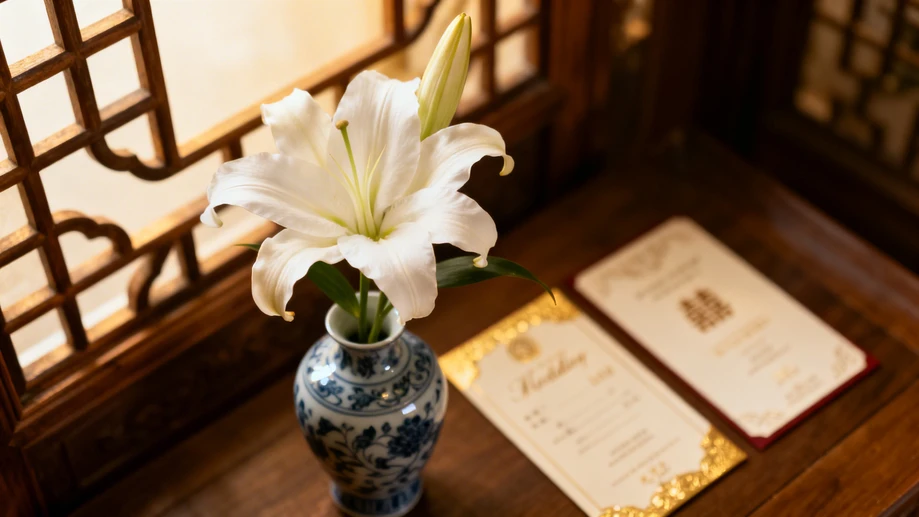
We instinctively wield this floral vocabulary in pivotal life moments. Walk into any florist planning a summer wedding, and you'll see the power of the white lily – the classic Casablanca variety reigns supreme. Its association with restored innocence, virtue, and majestic devotion makes it a cornerstone of bridal arrangements. Yet, place that same white lily in a funeral wreath or memorial garden, and its meaning subtly shifts. Here, it speaks of the soul's return to a state of innocence, of peace after suffering, offering solace through its serene beauty and lingering fragrance. The context unlocks a different chapter in the lily's ancient storybook, proving its complex emotional range.
Modern psychology even taps into this ancient symbolism. Horticultural therapists note how nurturing lilies, watching them push through the soil and unfurl their dramatic blooms, parallels personal growth and renewal narratives. The bulb, dormant and seemingly lifeless underground, holds the immense potential for spectacular beauty. Many find tending lilies a tangible metaphor for overcoming personal challenges and emerging transformed. Urban apartment dwellers fiercely guard a sunny windowsill pot containing a single Asiatic lily bulb, not just for the splash of color it brings, but for the quiet affirmation of resilience and hope its lifecycle represents. The journey from bulb to breathtaking bloom becomes a personal, silent testament.
So next time you pass a lily, pause. Don't just admire its sculptural form or heady perfume. Listen. What story is it telling in *that* space? Is it a shout of orange joy on a cafe table, promising renewed energy? Is it a whispered promise of purity and hope in a hospital room vase? Or is it a solemn tribute of white elegance honouring a memory? The lily’s silent language, refined over millennia, continues to resonate deeply, speaking directly to the heart in moments both luminous and shadowed. Its enduring power lies precisely in this ability to convey profound human truths without uttering a single word.