
The Incredible Healing Powers of Dandelions You Never Knew!
Discover how this common backyard weed transforms into a natural superfood for everyday health and wellness.
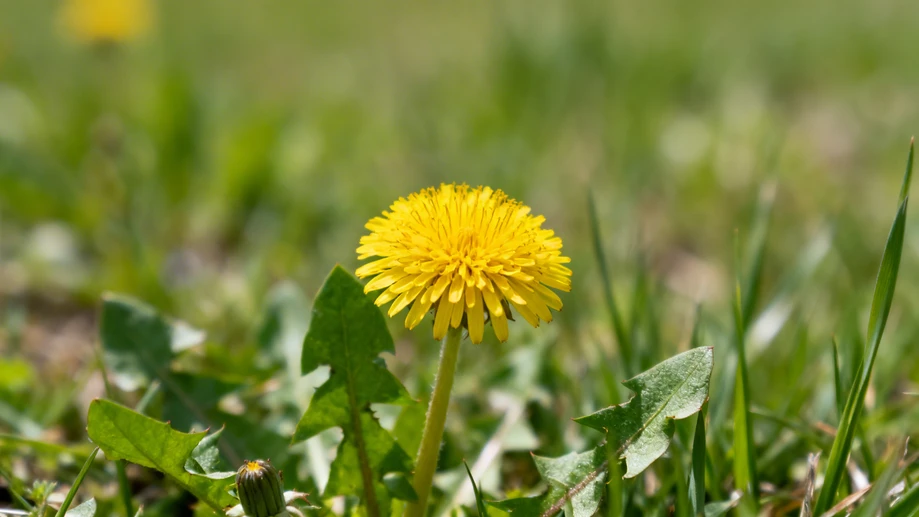
Dandelions are often dismissed as pesky invaders ruining our perfect lawns, but these vibrant yellow flowers are actually nature's hidden treasure trove. In urban parks or suburban gardens, you'll spot them popping up through cracks in sidewalks or thriving in neglected corners, their cheerful blooms waving in the breeze. Most people rush to yank them out or spray herbicides, unaware that every part of the plant—from the deep taproot to the sunny petals—is bursting with nutrients and practical uses. This common sight in spring and summer isn't just a weed; it's a free, sustainable resource that's been overlooked for generations, yet holds the key to simple, holistic living right at our doorstep.
Beyond their cheerful appearance, dandelions shine in the kitchen as a versatile ingredient that can elevate everyday meals. Imagine tossing fresh dandelion greens into your lunch salad—they add a peppery, slightly bitter kick similar to arugula, packed with vitamins A, C, and K. For a warm side dish, sauté the leaves with olive oil and garlic until they wilt, creating a nutritious accompaniment to grilled chicken or fish. The bright yellow flowers, when plucked and rinsed, make delightful fritters when dipped in batter and lightly fried, offering a sweet, honey-like flavor that kids adore. Even the roots, often discarded, can be dried, roasted, and brewed into a rich, earthy tea that rivals coffee but without the caffeine jitters, perfect for a calming evening ritual. This isn't gourmet fantasy; it's real-life foraging that turns a weed into a wallet-friendly superfood, reducing grocery bills while adding a fun twist to home cooking.
What truly sets dandelions apart is their long history in herbal medicine, backed by modern science for tangible health benefits. For centuries, traditional healers have used dandelion root teas to support liver function, helping the body detoxify naturally—a practice still common in European apothecaries today. Studies now confirm that compounds in dandelions act as gentle diuretics, promoting kidney health by encouraging fluid balance and flushing out toxins, which is why you might find dandelion supplements in health stores. In real-world scenarios, sipping on dandelion tea after a heavy meal can ease bloating and aid digestion, while topical applications of the milky sap from stems are said to soothe minor skin irritations like bug bites. This isn't just folklore; it's evidence-based wellness that makes dandelions a go-to for natural remedies, especially in eco-conscious households seeking chemical-free alternatives.
Growing dandelions couldn't be simpler, as they thrive in almost any environment with minimal effort. Unlike fussy garden plants, they flourish in poor soil, full sun, or partial shade, popping up in lawns, meadows, or even urban balconies with just rainwater and neglect. Instead of battling them with pesticides, embrace them as low-maintenance crops—scatter seeds in a sunny patch, and within weeks, you'll have a harvest-ready supply. This resilience makes them ideal for beginner gardeners or busy families, turning a "weed problem" into a sustainable source of fresh greens. Plus, by nurturing dandelions, you support local ecosystems; their nectar-rich blooms attract bees and butterflies, boosting biodiversity in your backyard. It's a win-win: you gain free, organic produce while fostering a healthier planet, all from a plant that asks for nothing but space to grow.
So, next time you stroll past a dandelion patch, resist the urge to destroy it—harvest it instead. Incorporate the leaves into your weekly meal prep, brew a pot of root tea for relaxation, or simply admire their role in nature's balance. This humble plant exemplifies how everyday wonders can revolutionize our health and habits, offering accessible solutions in a world cluttered with synthetic options. By rediscovering dandelions, we tap into ancient wisdom that's as relevant today as ever, proving that true treasure often lies in the most unexpected places.