
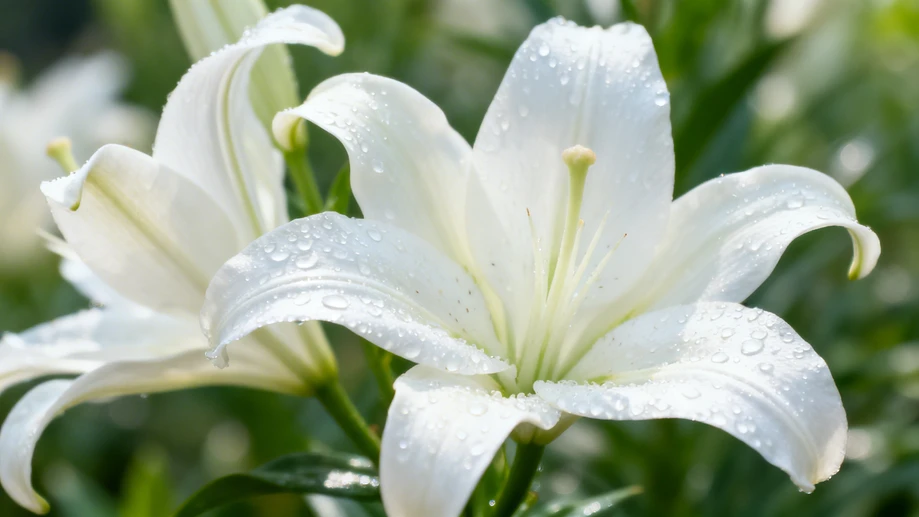
Oh, the Timeless Symbolism of Lilies! How They Represent Purity in Our Lives
Dive into the fascinating cultural meanings of lilies, from ancient myths to modern ceremonies, revealing why these blooms are more than just pretty flowers.
When you stroll through a garden or receive a bouquet, lilies often catch the eye with their elegant petals and sweet fragrance, but did you know they carry deep symbolic weight that transcends mere beauty? Across centuries and cultures, these flowers have been revered as emblems of purity, renewal, and even transition, weaving their way into our most heartfelt moments. For instance, in everyday life, you might spot them in wedding bouquets or funeral arrangements, where their white varieties whisper messages of innocence and new beginnings. This isn't just floral coincidence; it's a testament to how lilies have become silent storytellers in human experiences, connecting us to traditions that feel both personal and universal.
Historically, lilies' symbolic journey began in ancient civilizations, where they were linked to divine figures and rebirth rituals. In Greek mythology, lilies were said to sprout from the milk of Hera, symbolizing motherhood and purity, while in Christian traditions, they became associated with the Virgin Mary, representing chastity and resurrection. Fast forward to today, and this heritage still echoes in events like Easter celebrations, where churches adorn altars with lilies to signify hope and spiritual awakening. However, the power of lilies isn't confined to the West; in Asian cultures, such as Japan, they symbolize good fortune and are often featured in festivals to ward off evil, showing how these blooms adapt to diverse beliefs without losing their core essence.
In modern settings, lilies play starring roles in ceremonies that mark life's milestones, making their symbolism tangible and relatable. Picture a wedding: the bride holds a bouquet of white calla lilies, not just for their aesthetic appeal but as a nod to purity and the promise of a fresh start. Similarly, at funerals, lilies offer comfort, embodying the soul's journey to peace and renewal. This practical use extends to home decor, where people place potted lilies in living rooms to evoke calm and positivity during stressful times. Moreover, the flower's resilience—thriving in varied climates from gardens to vases—mirrors its symbolic message of endurance, encouraging us to find strength in transitions.
Despite their widespread appeal, lilies' meanings can shift subtly with context, adding layers to their cultural tapestry. For example, while white lilies dominate as icons of innocence, orange varieties might symbolize passion in some settings, and yellow ones can represent gratitude. This versatility allows them to fit seamlessly into personal stories, like a gift of lilies to a friend recovering from illness, signifying healing and new chapters. Furthermore, their presence in art and literature, from Van Gogh's paintings to poetic verses, reinforces how they inspire creativity and reflection, proving that lilies aren't just background elements but active participants in our emotional landscapes.
Ultimately, lilies remind us that nature holds profound wisdom, turning simple blooms into vessels of human emotion and connection. Whether in a bustling city florist or a quiet countryside garden, their symbolic power endures, inviting us to pause and appreciate the deeper narratives woven into our daily lives. So next time you encounter a lily, consider the centuries of meaning it carries—it's not just a flower, but a timeless symbol of purity that continues to bloom in our hearts.