
The Daffodil's Silent Message of Hope That Transforms Spring Gardens
Uncover how these vibrant blooms serve as powerful emblems of renewal and optimism in everyday life, inspiring us through seasons of change.
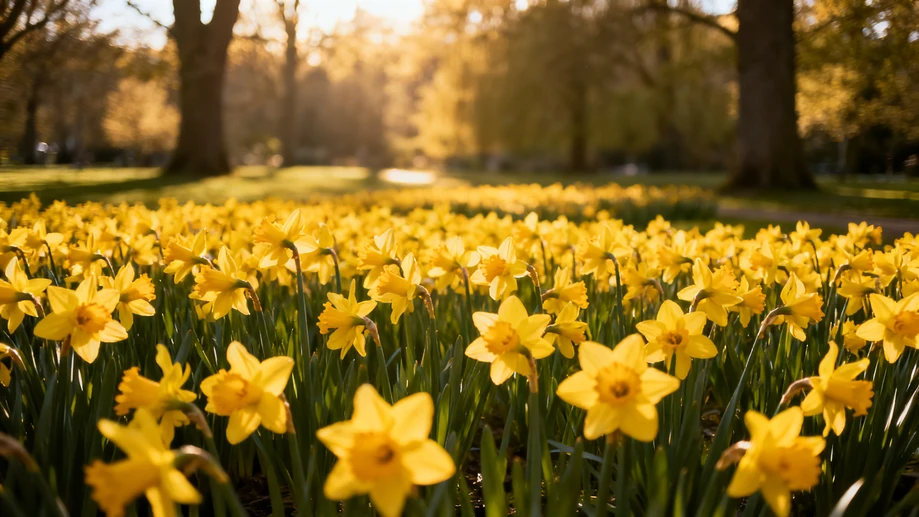
As winter's chill fades and the first hints of warmth touch the earth, daffodils burst forth in gardens and parks, their bright yellow petals standing like cheerful sentinels against the lingering gray. Picture this: you're strolling through a local park on a crisp March morning, and suddenly, clusters of daffodils catch your eye, their golden heads nodding in the breeze. It's a scene that plays out across neighborhoods worldwide, where these hardy flowers emerge from the cold soil, signaling that spring has truly arrived. For many, this annual display isn't just a visual delight—it's a natural reminder that even after the harshest winters, life renews itself with vigor and color.
Yet, beyond their role as harbingers of spring, daffodils carry a deeper, almost universal symbolism of hope and new beginnings. In cultures around the globe, these flowers are woven into traditions that celebrate resilience; for instance, in Wales, the daffodil is proudly embraced as the national flower, representing rebirth and the triumph of light over darkness after long, dreary months. This symbolism isn't mere folklore—it resonates in real-life moments, like when communities plant daffodil bulbs in public spaces to uplift spirits during challenging times, such as after natural disasters or personal losses. The flowers' ability to thrive in varied conditions, from rocky hillsides to urban flowerbeds, mirrors our own human capacity to persevere, turning them into silent companions in our quest for optimism.
Moreover, this hopeful essence extends into modern rituals that touch everyday lives, making daffodils more than just garden ornaments. Consider how they're often featured in charity events, like cancer awareness campaigns, where their bright blooms symbolize the fight for a brighter future and the collective hope for healing. In a typical neighborhood, you might spot volunteers distributing daffodil bouquets at fundraisers, or families planting them in memorial gardens to honor loved ones—each petal serving as a tangible promise of better days ahead. This practical integration shows how daffodils bridge the gap between nature and human emotion, transforming abstract concepts of hope into something we can see, touch, and nurture in our own backyards.
Building on their cultural and charitable roles, daffodils also inspire personal acts of renewal that ripple through daily routines. Imagine starting your day by tending to a small patch of daffodils on your balcony; as you water them and watch them grow, they become a living metaphor for setting goals and embracing fresh starts, whether it's pursuing a new hobby or recovering from a setback. This connection isn't accidental—scientific studies on plant psychology suggest that interacting with flowers like daffodils can reduce stress and boost mood, reinforcing their role as natural mood enhancers. By integrating them into home gardens or community projects, we harness their symbolic power to create micro-moments of joy and motivation.
Ultimately, the enduring appeal of daffodils lies in their simplicity and accessibility, inviting everyone to participate in this cycle of hope without grand gestures. You don't need a vast estate to grow them; a few bulbs in a pot on a windowsill can bloom year after year, offering a constant reminder that renewal is always within reach. As spring unfolds, take a moment to appreciate these flowers not just for their beauty, but for the quiet lessons they impart: that even in uncertainty, nature's rhythms assure us of brighter tomorrows. So, why not plant some daffodils yourself? In doing so, you join a timeless tradition of cultivating hope, one bloom at a time.