
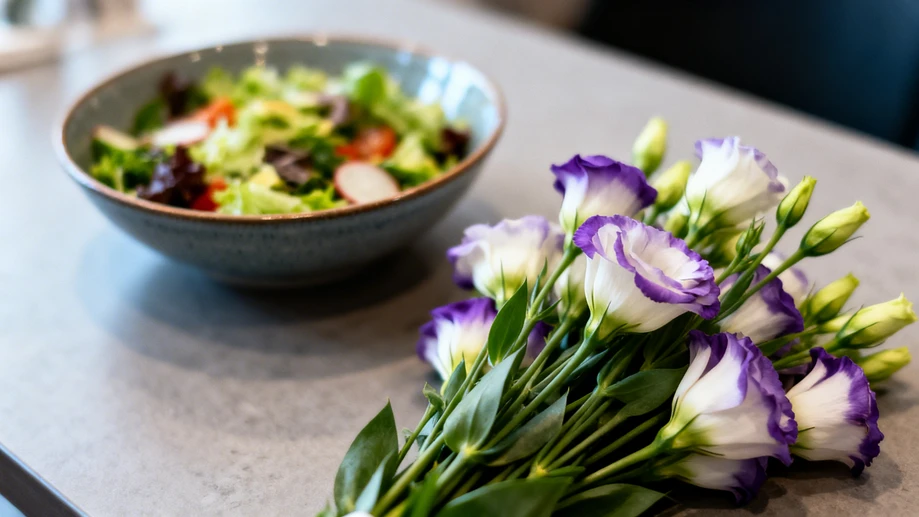
Stop Trying to Eat Lisianthus Flowers or Risk an Unpleasant Surprise
Uncover the truth behind this widespread floral misconception and learn why consuming lisianthus can lead to digestive issues instead of health perks.
Lisianthus blooms, with their elegant ruffled petals and soft hues ranging from pure white to deep purple, often grace tabletops in chic vases or add charm to wedding bouquets. But in recent years, a curious trend has emerged on social media, where people share posts mistaking these beauties for edible garnishes, like tossing them into salads or desserts. This stems from a broader movement towards natural foods, where flowers like pansies and nasturtiums have become popular ingredients. However, acting on this assumption without checking can turn a health-conscious meal into a regretful experience—imagine adding a few lisianthus petals to your morning smoothie, only to spend the afternoon feeling queasy. The problem isn't just about taste; it's a safety oversight that's surprisingly common in home kitchens.
So why has this myth taken root? Much of it boils down to visual confusion in everyday life. Gardeners and food enthusiasts often encounter edible blooms such as calendula or lavender, which share similar delicate appearances with lisianthus. In a busy market, someone might pick up a bouquet thinking they’re versatile additions to their pantry, unaware that lisianthus isn't cultivated for consumption. This is compounded by online misinformation, where viral recipes fail to specify that not all flowers are safe, leading to accidental experiments. For instance, a friend excitedly recounted how they sprinkled lisianthus over a cake during a picnic, only to later suffer mild stomach cramps—a story echoed in forums where others share similar mishaps. The takeaway? Pretty doesn't equate to palatable, and assumptions can backfire easily in real-world settings like dinner parties or community potlucks.
Turning to the science, lisianthus isn't listed as toxic by major botanical authorities, but that doesn't make it food-safe. Its leaves and petals contain natural compounds like saponins, which act as mild irritants to the human digestive system. Consuming even small amounts might trigger symptoms such as nausea, abdominal pain, or diarrhea within hours, especially for children or individuals with sensitive stomachs. This isn't a rare occurrence; reports from poison control centers occasionally note calls involving floral ingestion, where lisianthus is mistakenly involved. Think of a toddler grabbing a flower from a centerpiece and nibbling on it during a family gathering—a scenario that highlights why labeling plants clearly matters in homes with kids. The key is recognition: lisianthus lacks the edible certification of flowers grown specifically for culinary use, meaning it's best admired from afar to avoid any health hiccups.
Despite the risks, lisianthus holds plenty of value in safe, decorative roles that enhance daily life without any oral consumption. Its long vase life and versatile colors make it a star in floral arrangements, brightening up offices or living spaces for weeks with minimal care—just keep it in fresh water and away from direct sunlight. For those seeking the aesthetic joy of flowers in food, opt for proven edible varieties like roses or borage, which are grown under controlled conditions to avoid contaminants. This approach ensures you enjoy nature's beauty in your meals without the worry, turning a simple salad into a vibrant feast. By focusing on its true purpose, you not only safeguard your well-being but also appreciate the flower's inherent charm in a risk-free way, whether it's cheering up a dreary desk or adding a pop of color to a party table.
To prevent such mix-ups from happening in your own kitchen, adopt simple, practical habits that fit seamlessly into modern routines. Always verify a flower's edibility through reliable sources like gardening books or university extension websites before using it in recipes—a quick search can avert a world of trouble. Label bouquets clearly if you have young children or pets, or place them out of reach during meal prep to eliminate temptation. In social situations, gently educate friends who might share trendy "flower food" ideas, emphasizing that lisianthus should stay off the plate. By making these small adjustments, you transform uncertainty into confidence, ensuring that floral fun remains purely visual and deliciously safe. After all, the best way to savor nature is to let each bloom play its intended role, avoiding unnecessary risks for a healthier, happier home.