
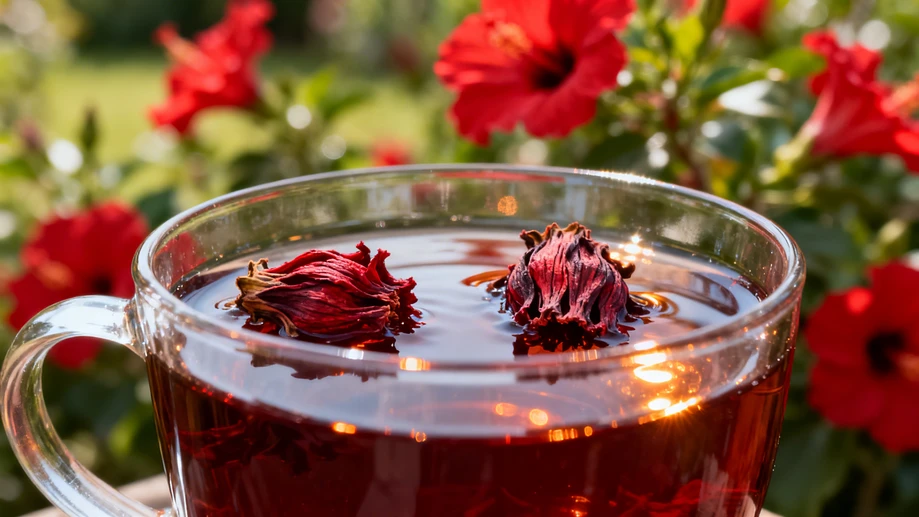
Did You Know Hibiscus Flowers Can Change Your Water into Magical Elixir?
Discover how this vibrant garden beauty transforms ordinary drinks into ruby-red wonders with surprising health perks
Walking past a blooming hibiscus shrub, most people admire its flamboyant trumpet-shaped flowers resembling colorful tissue paper creations. These tropical showstoppers come in fiery reds, sunny yellows, and electric pinks, often measuring wider than your palm. But beneath those delicate petals lies a secret superpower that turns kitchen experiments into delicious magic. When steeped in hot water, the crimson calyces release an astonishing transformation, creating a beverage that looks like liquid rubies.
This floral alchemy happens because hibiscus contains natural anthocyanins, the same pigments that give blueberries their deep hue. As the flowers simmer, they surrender their brilliant color to the water, creating a tart infusion known as "agua de jamaica" across Latin America. In Egypt, it's called "karkade," served icy sweet to combat desert heat. Street vendors from Mexico to Thailand sell this ruby drink in jam-packed markets, where its vivid color attracts thirsty customers like hummingbirds to nectar. The tartness makes it incredibly refreshing - imagine cranberry juice's zesty cousin with floral notes dancing on your tongue.
Beyond quenching thirst, hibiscus tea holds centuries-old medicinal prestige. Traditional healers from West Africa to the Caribbean prescribed it for everything from soothing coughs to cooling fevers. Modern science confirms impressive benefits: studies show daily consumption may gently lower blood pressure and deliver antioxidants that combat cellular damage. Unlike some herbal remedies, hibiscus doesn't require complicated preparations. Simply pluck the fleshy calyx (the bulbous base behind the petals), dry it, and steep like regular tea. The magic happens while you wait - watch water blush pink then deepen to garnet within minutes.
Surprisingly versatile, hibiscus isn't confined to teacups. Chefs incorporate the tangy flowers into glazes for roasted meats, where their acidity cuts through richness. In Australia, innovative bakers fold chopped petals into shortbread cookies for floral-citrus notes. Mexican candies feature crystallized hibiscus flowers called "acitrón," their chewy texture contrasting with sugary crunch. Even cocktail bars harness its vibrant hue, using cooled tea as a natural mixer for sunset-colored spritzers that need zero food coloring. The flower's magic even extends to preserving foods - its high pectin content helps jams set perfectly.
For home gardeners, hibiscus offers double rewards. While its blooms beautify patios, harvesting the calyces provides pantry staples. After the petals wilt, the seed pod's protective casing swells into a juicy red cup - that's your harvest signal. Snip these plump calyces daily during peak season, leaving buds to mature. Dry them in a single layer away from direct sun, storing in jars for year-round use. When winter grays loom, a spoonful of these dried treasures in boiling water summons summer's brightness into your mug. This garden gem proves that sometimes the most extraordinary transformations begin with something as simple as flowers meeting water.