
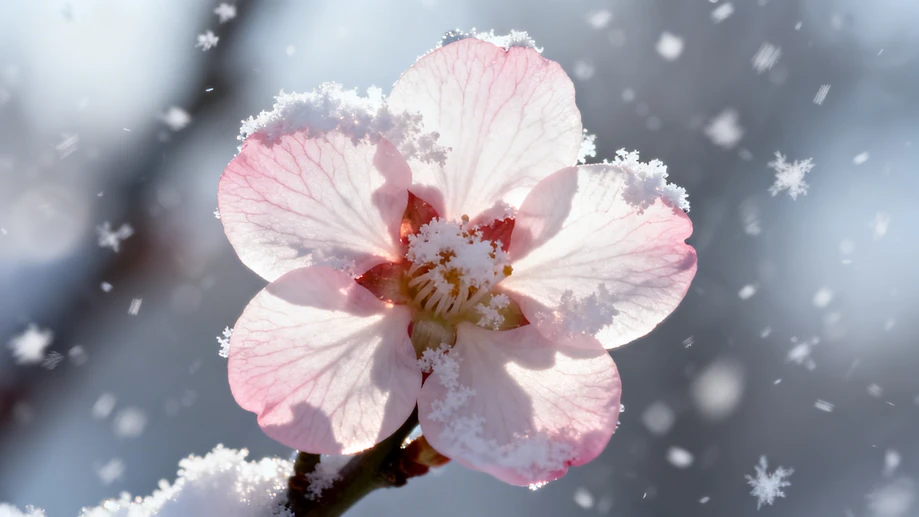
Plum Blossoms Defy Winter's Bite with Stunning Frost Resistance
Uncover how these delicate flowers not only survive freezing temperatures but burst into vibrant life when other plants retreat, embodying nature's quiet strength.
Imagine walking through a snow-covered garden in mid-January, when most trees stand bare and lifeless, yet your eyes catch a splash of pink and white against the icy backdrop. That's the plum blossom, a flower that seems to laugh in the face of winter's fiercest chill. Unlike spring blooms that wait for warmer days, these hardy beauties emerge when the thermometer dips below freezing, transforming barren landscapes into scenes of unexpected elegance. In many cultures, spotting the first plum blossoms is a cherished sign that nature hasn't surrendered, offering a burst of color and fragrance when everything else appears dormant. This defiance isn't just a fluke; it's a masterful adaptation that makes these flowers a symbol of hope during the coldest months, inviting us to pause and marvel at their resilient charm.
To thrive, plum blossoms demand specific conditions that would wither most plants. They flourish in areas with prolonged cold spells, requiring temperatures that hover near or below freezing for weeks to trigger their blooming cycle. Think of rocky, well-drained soils in mountainous regions or urban parks where frosty nights are common; here, the roots anchor deep, drawing minimal nutrients while conserving energy. During summer, the trees build reserves, but as autumn fades, they enter a state of dormancy, only to awaken when winter's grip tightens. This unique rhythm means the blossoms often appear before the leaves, creating stark silhouettes of bare branches dotted with delicate petals. Gardeners might plant them in sheltered spots to mimic natural habitats, yet even in unexpected places like roadside verges, they surprise us with their tenacity, proving that beauty can bloom where life seems harshest.
In everyday life, encountering plum blossoms feels like stumbling upon a secret whispered by nature. Picture a city dweller bundling up for a morning commute, only to halt at a neighborhood park where a lone plum tree stands adorned with fresh blooms despite overnight snow. The petals, ranging from soft pinks to crisp whites, release a subtle, sweet scent that cuts through the crisp air, drawing passersby for a moment of awe. This isn't confined to rural settings; in bustling metropolises, these trees often grace public spaces, serving as living reminders that renewal persists amid adversity. Families might gather for weekend strolls, pointing out the flowers as symbols of endurance, while photographers capture their fleeting beauty against gray skies. Such scenes highlight how plum blossoms weave resilience into the fabric of daily routines, turning ordinary moments into celebrations of life's persistence.
What truly elevates this floral wonder isn't just its survival tactics but the profound symbolism it carries through centuries. Across Eastern traditions, plum blossoms represent unyielding spirit, often depicted in art and poetry as emblems of courage because they bloom brightest in adversity. This ties directly to human experiences—think of how we admire someone who thrives under pressure, much like these flowers enduring biting winds. Yet, their story goes deeper: as climate shifts alter seasons, scientists observe plum blossoms adapting faster than expected, flowering earlier in some regions. This resilience sparks discussions about nature's lessons in flexibility, making them not just plants but teachers in quiet adaptation. By blending science with sentiment, the blossoms remind us that strength often lies in vulnerability, encouraging a shift from mere appreciation to personal inspiration.
Ultimately, the plum blossom's frost-defying journey is a testament to nature's ingenuity, urging us to cherish its quiet triumphs. As we navigate our own winters, whether literal or metaphorical, these flowers offer a tangible connection to hope—proof that with patience and resilience, beauty can emerge from the coldest depths. Plant them in your garden or seek them out on urban walks; they stand as evergreen reminders that life, in all its fragility, possesses an indomitable spark.