
Why Cherry Blossoms Are Nature's Most Powerful Symbol of Renewal
Discover how these delicate blooms transform landscapes and mindsets across the globe every spring season
Walk through any city park when cherry trees burst into bloom, and you'll witness a remarkable phenomenon. Office workers abandon their desks, families spread picnic blankets on cold ground, and strangers share cameras to capture the spectacle. This collective pause happens worldwide, from Tokyo's Ueno Park to Washington D.C.'s Tidal Basin. The magnetic pull isn't just about aesthetics; it taps into something primal within us. Those fragile petals hold an ancient secret about human resilience encoded in their DNA.
Consider the biology behind this transformation. Cherry trees endure months of winter dormancy, their branches appearing utterly lifeless. Yet beneath the bark, intricate preparations unfold. Special cells called meristems quietly organize future blossoms while antifreeze proteins protect tissues from freezing temperatures. This hidden activity mirrors our own periods of quiet growth during life's winters. When conditions align—a specific combination of daylight hours and soil warmth—the trees commit fully. Buds swell dramatically, then explode into clouds of pink and white within 48 hours. Such explosive flowering represents one of nature’s greatest gambles, risking everything on perfect timing before summer heat arrives.
What makes this gamble universally inspiring? Unlike flowers blooming gradually throughout summer, sakura deliver a concentrated lesson in impermanent beauty. Their petals typically persist just one week before scattering like confetti. Japanese poets have written about this for centuries, calling it "mono no aware"—the poignant awareness of life's transience. Modern neuroscience reveals why this affects us so deeply. Viewing cherry blossoms activates the brain's reward centers similarly to seeing human faces, while their brief lifespan triggers our instinctive appreciation for rare, fleeting experiences. Psychologists note that this annual display creates a shared mental reset button for communities.
Urban planners have harnessed this psychological power intentionally. After World War II, Japan distributed thousands of cherry trees to bombed cities as symbols of recovery. When Vancouver planted sakura along hospital routes, they discovered patients reported lower stress levels during blossom season. The trees create accidental sanctuaries in concrete jungles; beneath their boughs, smartphone addicts look up, workaholics breathe deeply, and children instinctively catch falling petals. This behavioral shift isn't merely cultural tradition but a hardwired human response to cyclical hope made visible. The blossoms' simultaneous arrival across regions—triggered by temperature gradients called "cherry blossom fronts"—turns renewal into a communal event witnessed by millions.
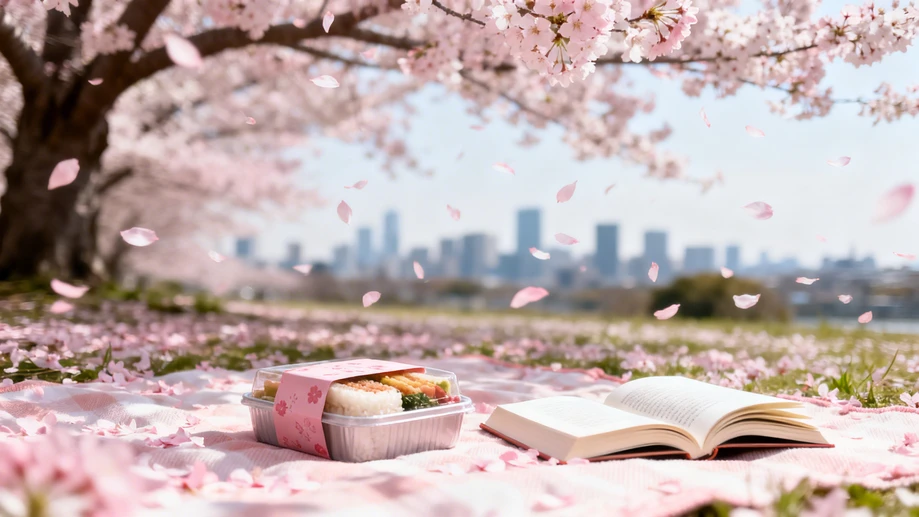
Perhaps the most profound magic lies in the aftermath. As petals blanket the ground like snow, they don't signal death but transformation. Each fallen bloom nourishes the soil through decomposition, directly contributing to next year's flowers. This continuous cycle of release and regeneration offers a silent rebuttal to modern anxieties about productivity and permanence. The trees demonstrate that dormancy isn't idleness, that release isn't failure, and that breathtaking beauty often follows periods of patient endurance. No wonder these ephemeral flowers have become permanent ambassadors of resilience across continents and cultures.